A slab leak is a supply line failure under the concrete floor. You may not see a puddle for a long time. You may notice the water bill first, or a warm strip on the tile. Pinellas and Tampa Bay homes on slab foundations see this pattern often enough that the early clues are worth knowing.
This is not a DIY cut-the-floor project. It is a find-it-early problem.
Clues that point to a hidden leak
Water bill jumped with no lifestyle change. Irrigation and toilet flappers cause false alarms too. Rule those out, then take the bill seriously.
Sound of water when everything is off. Quiet the house. If you still hear flow near a bathroom or along a hallway, pay attention.
Warm or soft spots on the floor. Hot-side supply leaks can warm the slab. Soft or uneven spots need a careful look, do not ignore them.
Moisture, musty smell or unexplained damp under cabinets. Not every wet baseboard is a slab leak, but recurring moisture with a rising bill is a reason to test.
Meter still moves after fixtures are off. Shut every tap. Watch the meter. Movement suggests water is leaving the system somewhere.
Low pressure in one area. A single bath with weak hot or cold while the rest of the house is fine can mean a branch line problem, sometimes under the slab.
One clue is a hint. Several clues together are a call.
What is not always a slab leak
- A running toilet flapper.
- An irrigation zone stuck open.
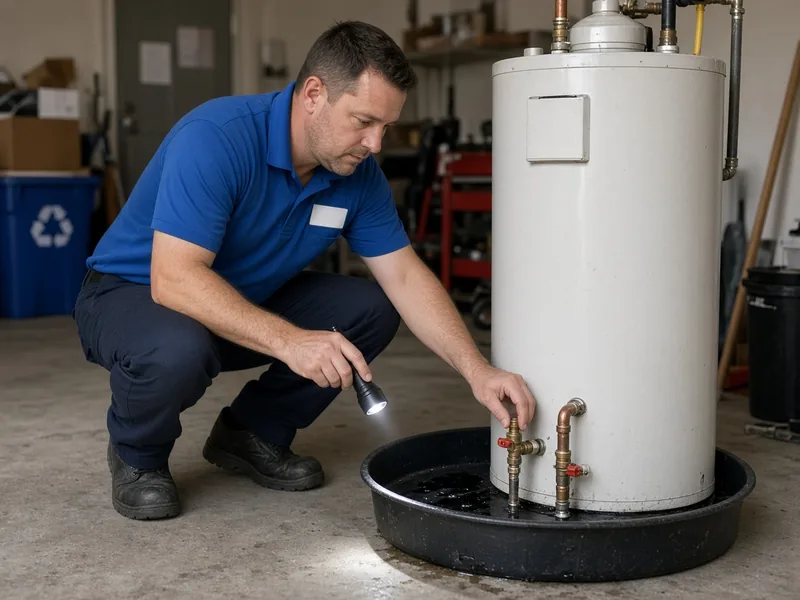
- A water heater drip at the pan.
- A drain clog that backs up: different system, different repair.
A good leak visit starts by confirming water is actually leaving the pressurized supply, not guessing through the first warm tile.
What to do before the tech arrives
- If you know where the main shutoff is, learn it now, before you need it at 2 a.m.
- Stop using a fixture that is clearly feeding a wet spot.
- Avoid cutting flooring or "listening with a screwdriver" as a plan. You can damage finishes without finding the line.
- Note when the sound or warm spot showed up and whether hot, cold or both are affected.
- If water is actively flooding, shut the main and call. We are open 24/7 for plumbing emergencies.
How leak detection usually works
We confirm a real leak with meter and isolation checks. Then we narrow the zone with methods matched to the home, without opening more floor than the job requires. Once located, you get a written repair plan: access method, pipe repair scope and price before we cut.
Service call is $39 (regularly $99) weekdays 8am-6pm; after-hours is $149. Detection and repair scope vary by home. We assess the leak and provide a written quote before work starts. We are Licensed CFC1434447. You get a written price before work, with Upfront Pricing.
Why waiting costs more than the call
Left alone, a supply leak under the slab can damage flooring, feed mold-friendly moisture and undermine finishes you will replace twice if you wait. Early location keeps the opening smaller. That is the practical reason to act on the clues above, not a scare line.
Repair paths you may hear
Spot repair when the leak is reachable with limited access. Reroute when under-slab repair would destroy more than it saves. Larger replumb when multiple failures or aging lines make a single patch a short delay.
You approve the path in writing. No path should start with surprise demo.
After the repair
Keep an eye on the meter for a few days. New wet spots in a different room need a fresh look, do not assume one fix solved an unrelated drain issue. If flooring was opened, follow the drying guidance you were given before sealing finishes back up.