Pinellas summers do not ease up for long. The better window for maintenance is before the first stretch of 90° days, when every truck is already booked for no-cool calls. A tune-up does not replace aging equipment. It cleans, measures and flags weak parts while you still have choices.
What "ready for summer" actually means
Ready means:
- Airflow is not choked by a packed filter or a dirty coil.
- The condensate drain can move Florida humidity without overflowing.
- Electrical wear parts are within a sane range, not waiting to fail on a Saturday.
- Refrigerant pressures and thermostat behavior look normal for the equipment.
Skip the vague "we looked at it" visit. Ask what gets cleaned, what gets measured and what you receive in writing.
Why Florida punishes systems harder
Long run times. High outdoor humidity. Attics that bake ductwork. Salt air near the coast. All of that loads the outdoor coil and the drain. A system that limped through April often fails in July for a part that was already weak in March.
Maintenance will not fix a failing compressor. It will often catch a swollen capacitor, a sticky contactor or a drain that is one storm away from a ceiling stain.
What a proper tune-up covers
Filters and airflow. Correct size and condition. Restricted filters are still the cheapest problem to solve.
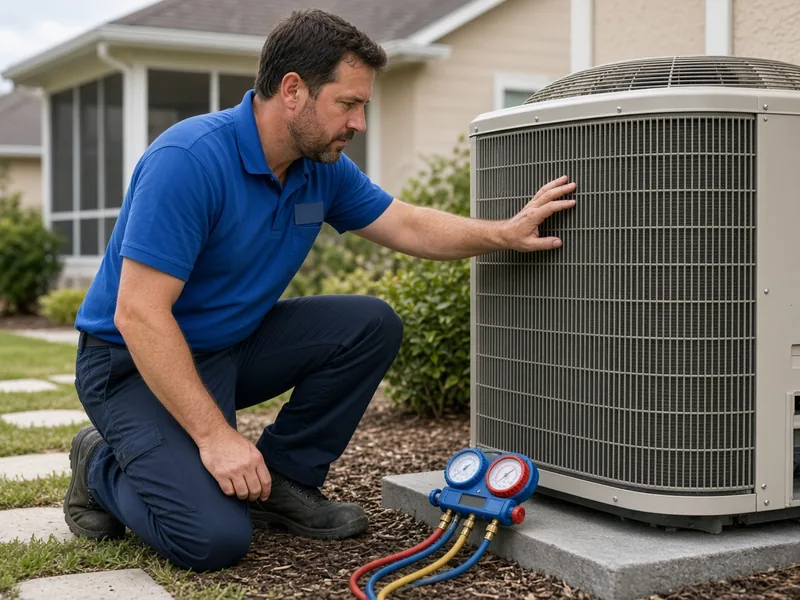
Coils. Condenser and evaporator cleaned as accessible. Packed fins raise head pressure and cut capacity.
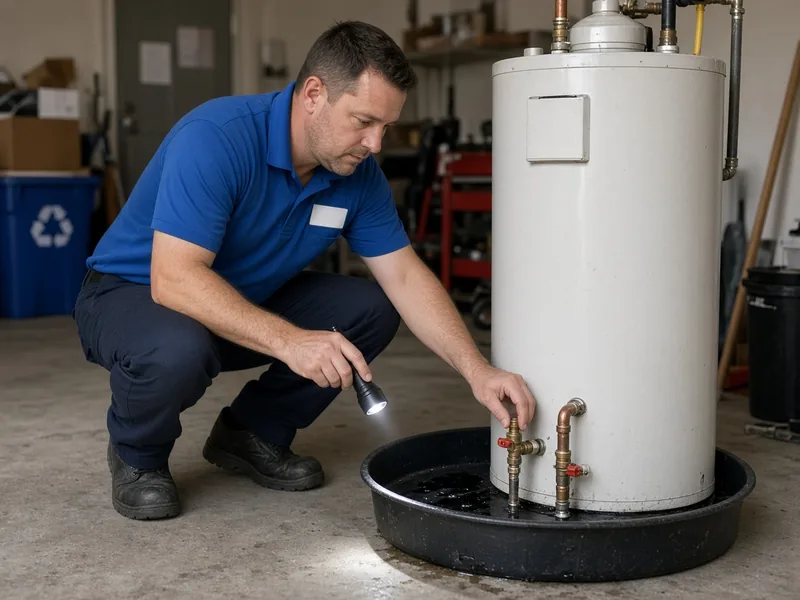
Condensate drain. Flush and confirm the pan and float switch work. Clogged drains are a top Florida callback.
Electrical. Capacitors, contactors, connections and motor amps. Parts that test weak get quoted, not swapped in silence.
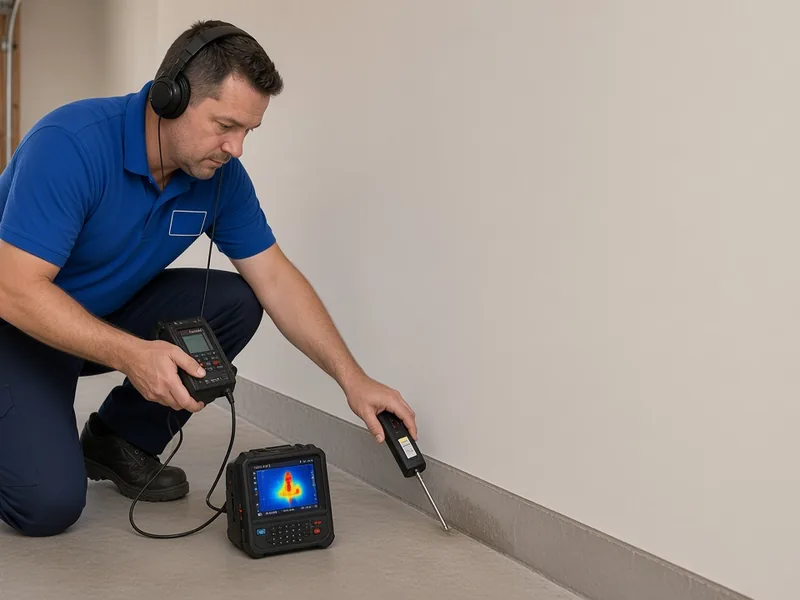
Charge and temperatures. Pressures and supply/return readings that show whether the system can still do its job.
Thermostat. Mode, setpoint response and obvious sensor issues.
You should leave with a clear list: what passed, what is marginal, what needs repair now versus later.
DIY habits that help between visits
- Change or clean filters on a schedule that matches pets and dust: more often in summer.
- Keep two feet of clearance around the outdoor unit.
- Pour a cup of vinegar or distilled water through an accessible cleanout if your tech showed you how, never force chemical drain openers into a sealed system.
- Note new sounds, longer run times or musty smells at startup. Those notes help the next visit.
Do not open the electrical panel or recover refrigerant yourself.
Maintenance vs diagnostic: different jobs
A tune-up is preventive. A diagnostic finds why the system already failed. If the house is already warm, you need repair diagnosis, not a polish of a broken machine.
On cooling failure calls, our service call is $39 (regularly $99) weekdays 8am-6pm. That promo is for diagnosing a failure. It is not a substitute for a full maintenance visit. After-hours diagnostic pricing is separate. We are Licensed CAC1822780.
When to book in Tampa Bay
Best timing: before peak cooling demand. Second-best: the first mild week you can get. Same-day maintenance is sometimes available; peak heat weeks fill first.
If the tech finds a bad capacitor or a drain that needs more than a flush, you approve repair pricing in writing before work continues. You get a written price before repair work starts, with Upfront Pricing and no surprise fees from us.
Comfort Club members can ask what filter and visit terms include before signup: confirm details when you call.
Signs you are overdue
- No professional check this cooling season.
- Supply air feels weaker than last year.
- Musty smell at startup.
- Outdoor fins packed with grass or fluff.
- Longer run times to hold the same setpoint.
Those are maintenance signals. Warm rooms with ice or standing water are repair signals: call for AC repair instead.