You set the thermostat lower. The outdoor unit is on. Air still comes from the vents. The house does not cool. In Pinellas and the rest of Tampa Bay, that pattern shows up every summer once humidity climbs.
This is not always a dead compressor. Often the system is working against a clog, a dirty coil or a charge problem. Below is what to check safely, what the symptoms usually mean, and when to call for AC repair.
Why "running" is not the same as cooling
An air conditioner moves heat and moisture out of the home. In Florida, removing humidity is half the job. If airflow is weak, the coil is iced, or refrigerant is low, you still hear the fan, and you still feel warm, sticky air.
Short cycles make it worse. The system starts, runs a few minutes, then stops before it can wring moisture out of the air. The thermostat may look fine. Comfort does not.
Safe checks you can do first
1. Thermostat mode and setpoint. Confirm cool mode, not fan-only. Set a few degrees below room temperature and wait. If someone switched to "on" for the fan, air moves without active cooling.
2. Filter. A packed filter starves the indoor coil. Replace or clean it if it is gray and clogged. Then give the system 15 to 20 minutes.
3. Outdoor unit. Leaves, grass and seed fluff packed into the fins block heat rejection. Gently clear debris from the outside, do not bend the fins with a stiff tool. Keep shrubs from hugging the cabinet.
4. Supply vents. Closed or blocked registers in bedrooms cut airflow and can push the indoor coil toward freezing.
5. Breaker. If the outdoor unit is silent while the indoor blower runs, check the AC breaker. Reset once. If it trips again, stop and call, do not keep resetting.
Skip DIY refrigerant "top-offs." Adding gas without finding a leak is not a fix, and handling refrigerant is not a homeowner job.
Common causes we see in Tampa Bay
Dirty filter or weak airflow. The classic Florida summer skip. Coil ices, air feels cool then warm, water shows up later when the ice melts.
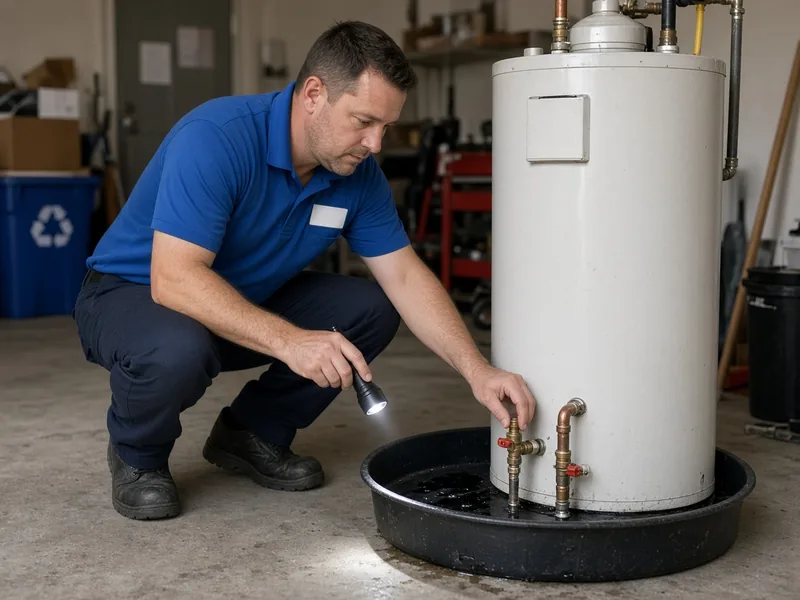
Clogged condensate drain. Humidity means a lot of water. When the drain backs up, many systems shut down on a float switch, or leak into the closet. Warm air plus a wet pan is a strong clue.
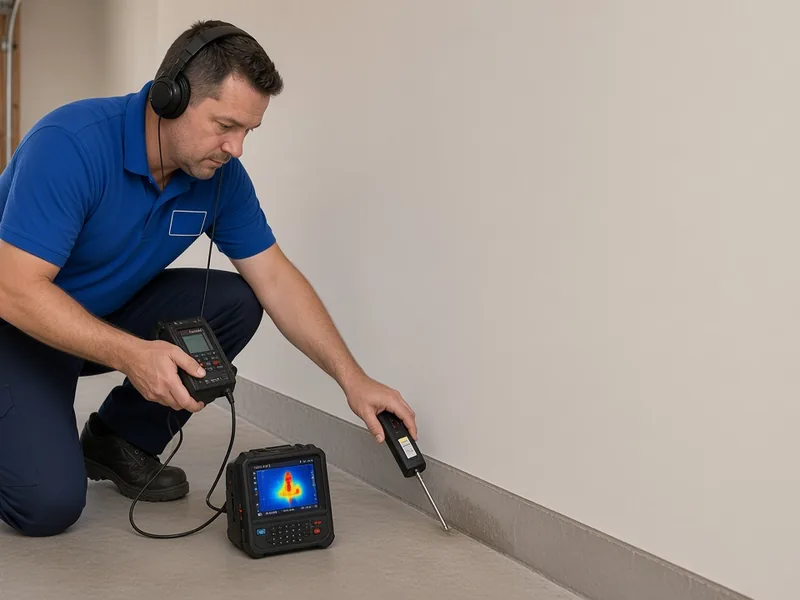
Low refrigerant or a leak. Oil stains on line sets, ice on the suction line, and weak cooling with a long run time often point here. Needs a Licensed diagnosis. Licensed Florida air conditioning contractor CAC1822780 for our work.
Failed capacitor or contactor. Outdoor fan or compressor may not start cleanly. You might hear a hum or a click with no solid run.
Aging equipment. When repairs stack up on a long-in-service unit, replacement enters the conversation. Financing through EGIA is available when a change-out makes more sense than another repair. Rates and terms depend on credit approval.
Frozen coil: what to do
If you see ice on the copper lines or the indoor coil:
- Turn the system to off at the thermostat (not just a higher setpoint).
- Set the fan to on if you want air moving while it thaws, or leave everything off.
- Change the filter if it is dirty.
- Wait until the ice is fully gone before running cool again.
- If it ices again quickly, call. Something is still wrong with airflow or charge.
Do not chip ice with tools. You can damage the coil.
When same-day repair makes sense
Call when:
- Air is warm after the basic checks above.
- Water is pooling under the air handler.
- The breaker will not stay on.
- Ice returns after a full thaw.
- The outdoor unit will not start or sounds harsh.
We offer same-day service across Pinellas, Hillsborough, Pasco and Manatee, and we are open 24/7. For cooling failure calls, the service call is $39 (regularly $99) weekdays 8am-6pm; after-hours diagnostic is priced separately. You get a written price before repair work starts, with Upfront Pricing and no surprise fees from us.
What a repair visit usually covers
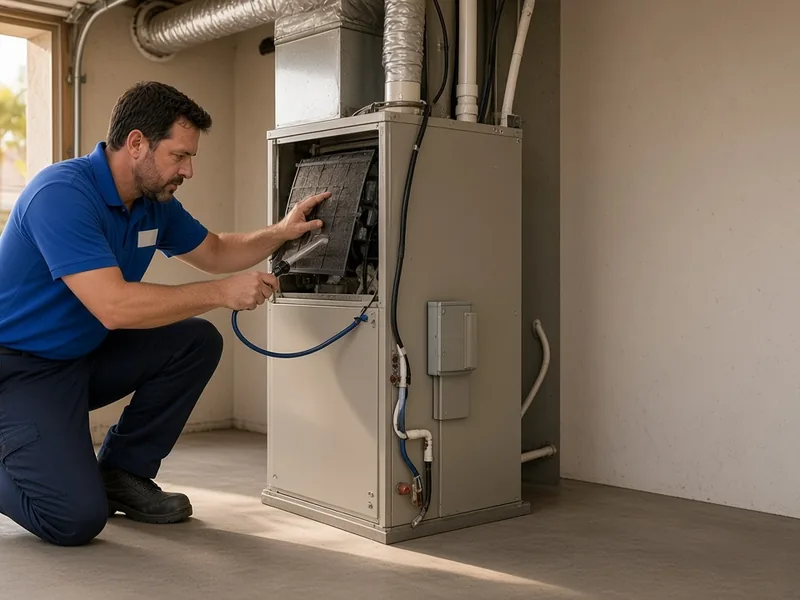
A tech confirms airflow, electrical basics, drain condition and pressures. Common repair parts, such as capacitors, contactors, motors and float switches, are often stocked on the truck. You approve the price in writing. Then we test the cooling operation and check the drain before we leave.
If the better path is a new system, that is a separate estimate, not a surprise swap mid-repair.