Storm week is the wrong time to learn where your main breaker is. Pinellas and Tampa Bay homeowners who do a short electrical prep list in May or June spend less time improvising when the forecast turns. This is practical prep, not a claim that any setup makes a house storm-proof.
Know your shutoffs before you need them
Main breaker. Find it. Label it if the panel directory is blank. Everyone in the home should know how to shut power down if outlets spark, the panel smells hot or water reaches electrical gear.
Outdoor disconnects. AC disconnects and other outdoor shutoffs matter after wind debris or flooding near equipment.
Generator interlock or transfer switch. If you already have standby or a temporary connection path, know the correct sequence. Never backfeed through a dryer outlet. That setup can kill utility workers and burn equipment.
If labels are missing, an electrician can directory the panel on a normal service visit, better before a watch is issued.
Panel and service checks worth doing early
Walk the panel with the cover on. Look for:
- Breakers that feel hot to a light touch on the face (stop using that circuit and call).
- Buzzing, burning smell or discoloration around breakers.
- A panel that is full with no room for a generator interlock or EV circuit you already planned.
- Insurance or inspection notes about obsolete panel types.
Warm, scorched or buzzing gear is not a wait-and-see item. Shut off the affected circuit if you can do so safely, avoid using it, and call. We are Licensed EC13016412. Open 24/7 for electrical emergencies. $39 service call (regularly $99) weekdays 8am-6pm; $149 after hours.
A panel upgrade is a planned project: permits, utility steps and a written scope, not a hurricane-morning improvisation. If you already know the service is maxed out, schedule the upgrade in the calm months. Financing through EGIA is available on qualifying install work. Rates and terms depend on credit approval.
Standby power: plan, do not improvise
Portable generators need a correct transfer method, outdoor placement and manufacturer clearances. Exhaust kills. Cords through doors create trip and water paths.
Standby generators with an automatic transfer switch start when utility power drops and feed chosen circuits or the whole home, depending on design. Sizing, fuel type, pad location and permits belong in a site visit, not a social-media sizing chart.
If standby power is on your list this year, book the estimate before the first named storm. Install work is quoted in writing with Upfront Pricing before it starts; manufacturer coverage is separate.
Outdoor and moisture risks
- Keep meter and panel areas clear of stored junk and vegetation.
- After a storm, stay away from downed lines. Call the utility for service drops; call us for indoor hazards once the area is safe.
- Water near the panel, outlets or appliances: shut the main if you can do so safely, stay out of standing water, and call.
- GFCI outlets in garages, kitchens and baths that will not reset after humidity events need diagnosis, not endless resetting.
A short pre-season checklist
- Label the main and key circuits.
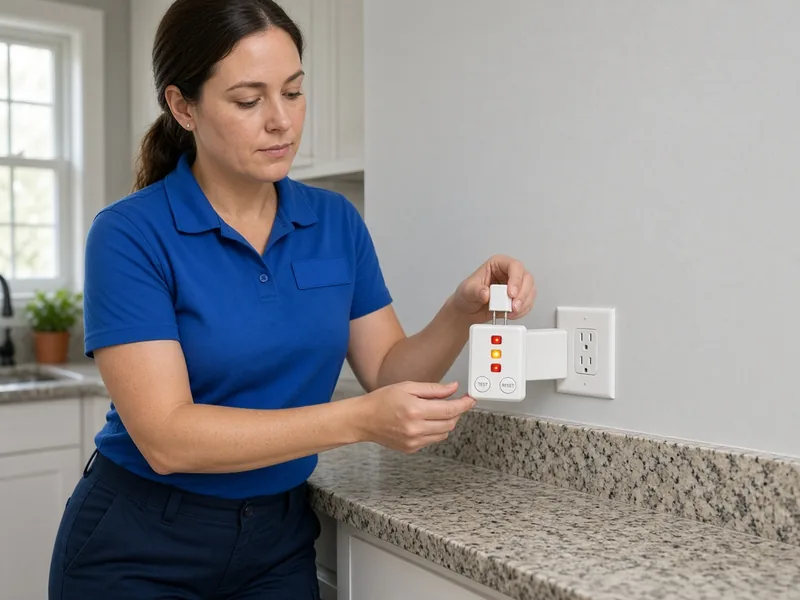
- Test smoke/CO alarms and replace batteries on a schedule.
- Photograph your panel directory for your phone.
- Decide portable vs standby backup before shelves empty.
- Schedule panel or generator work while lead times are normal.
- Unplug sensitive electronics when a watch turns into a warning if that is your household habit.
After the all-clear
When you return, watch for breakers that will not reset, outlets that smell odd or GFCIs that refuse to stay on. Those are post-storm service calls, not something to force. Same-day electrical help is often available once roads are clear; overnight emergency service continues for active hazards.